


Everyday People Coffee & Tea
Hawaiian Kona Blend — 50% Kona Medium Roast


A Note on Kona Pricing
Authentic Kona coffee is expensive — 100% Kona routinely sells for $45–$60 per half pound and above. The price reflects the limited geography of the growing region, the labor-intensive hand-harvesting practice, and the genuine scarcity of a coffee that can only be grown in one place on earth.
Our 50% Kona Blend makes that character genuinely accessible. At $34.99 per pound, you're getting a cup that reflects authentic Kona quality without the full premium of a 100% Kona purchase — and significantly more Kona content than the 10% blends that dominate the market at similar price points.
Description
Hawaii in Every Cup
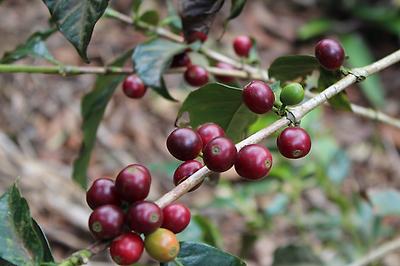
Kona coffee is one of the rarest and most coveted coffees in the world — grown on a narrow 30-mile strip of volcanic coastline on the western slopes of Mauna Loa and Hualalai on Hawaii's Big Island, in conditions that exist nowhere else on earth. The afternoon cloud cover, cool ocean breezes, rich volcanic soil, and long, slow maturation season combine to produce a coffee with a character that has made it legendary for over 150 years.
Our Hawaiian Kona Blend brings that character to your cup at an accessible price point — blending 50% authentic Hawaiian Kona with the clean, bright body of a Costa Rican Tarrazu to create something smooth, balanced, and genuinely special. This is not a 10% Kona blend dressed up in Hawaiian packaging. Half of every bag is the real thing.
Details
Tasting Notes: Smooth milk chocolate · Gentle floral sweetness · Honey · Bright, clean finish
Roast: Medium
Blend: 50% Hawaiian Kona + 50% Costa Rica Tarrazu
Process: Washed
Best Brewed As: Drip, pour-over, French press, AeroPress
Why 50% Kona Matters
Most Kona blends on the market contain 10% Kona — the legal minimum required to carry the Kona name when sold in Hawaii, and a percentage that produces a cup with only a faint trace of Kona character. At 50%, our blend crosses a meaningful threshold: you're getting a cup where Kona isn't a marketing footnote but the defining flavor presence.
The Costa Rican Tarrazu that makes up the other half is not a filler. Tarrazu is one of Central America's most respected growing regions — clean, bright, and well-structured, with a natural sweetness that complements rather than competes with Kona's floral and chocolatey character. The result is a blend that feels cohesive, not compromised.

The Kona Growing Region
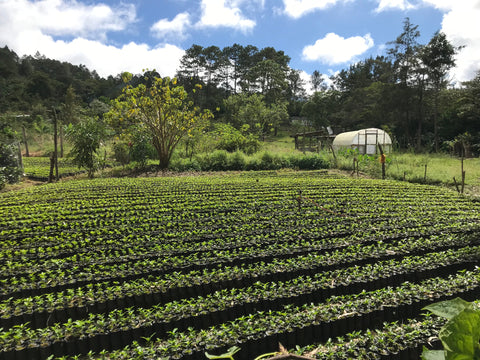
The Kona Coffee Belt is one of the most geographically specific and tightly regulated coffee-growing regions in the world. Stretching just 30 miles along the western slope of the Big Island, at elevations between 500 and 2,500 feet, it is the only commercially significant coffee-growing region in the United States.
What makes Kona irreplaceable is the microclimate. Mornings are sunny and warm — ideal for photosynthesis and cherry development. Afternoons bring a reliable cloud cover that rolls in from the ocean, shading the plants during the hottest hours and moderating temperature. Cool nights slow the maturation of the cherry, extending the development period and allowing flavor compounds to concentrate gradually over weeks rather than days.
The volcanic soil adds the final layer. Rich in minerals and with excellent drainage, the slopes of Mauna Loa and Hualalai provide the coffee plant with the nutrients and the drainage conditions it needs to thrive without waterlogging — a balance that flat, lower-elevation regions cannot replicate.
The result is a bean that is clean, mild, and sweet with remarkable consistency — one that generations of coffee buyers have paid significant premiums to acquire.
Costa Rica Tarrazu: The Perfect Partner
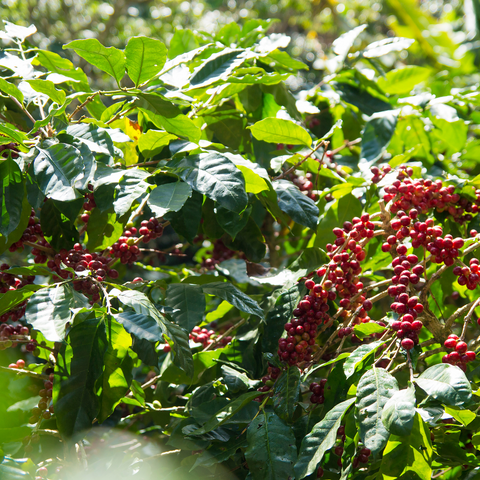
The Tarrazu region of Costa Rica sits at high elevation in the mountains south of San José — one of the cleanest, brightest growing regions in Central America. Tarrazu coffee is known for its crisp acidity, natural sweetness, and structured body that makes it one of the most versatile blending coffees in the world.
In this blend, Tarrazu serves as the structural backbone — providing brightness, body, and clean sweetness that extends the Kona's natural floral and chocolate character without overwhelming it. The two origins are genuinely complementary: Kona brings elegance and depth, Tarrazu brings clarity and lift.

In the Cup
The Hawaiian Kona Blend drinks like what it is — a coffee built for enjoyment rather than analysis. It is smooth from the first sip, with none of the sharpness or bitterness that lower-quality coffees produce. The floral sweetness characteristic of Kona arrives in the aroma and carries through the mid-palate. Milk chocolate and honey notes round out the body. The finish is clean and bright — a Tarrazu contribution — and lingers pleasantly without becoming heavy.
It is one of the most universally appealing coffees in our lineup. It works exceptionally well black for those who want to taste the Kona character clearly, and equally well with a small amount of cream for those who want something indulgent and approachable.
Best brewed as: Drip is the most everyday-appropriate method for this blend — it produces a clean, consistent cup that showcases the floral and chocolate notes without requiring precision technique. Pour-over highlights the brightness and floral character most clearly. French press adds body and draws out the honey and chocolate in the finish.
Brewing Recommendations
Pour Over (V60/Chemex)
Ratio: 1:15 (27g coffee : 405g water)
Grind: Medium
Time: 3:30–4:00 minutes
Temp: 200–205°F
Best method for showcasing Kona's delicate floral sweetness and honey-like clarity
Drip Coffee
Ratio: 1:16 (30g coffee : 480g water)
Grind: Medium
Time: Per machine cycle
Temp: 200°F
Everyday brewing that preserves smooth milk chocolate notes and clean finish
French Press
Ratio: 1:13 (35g coffee : 455g water)
Grind: Medium-coarse
Time: 4:00 minutes
Temp: 200°F
Brings out full body and rich chocolate depth of the Kona character
AeroPress
Dose: 17–18g coffee
Water: 220–240g
Time: 2:00–2:30 minutes
Temp: 200–205°F
Concentrated and bright — highlights Kona's natural sweetness and floral lift
Hawaiian Kona Blend Brewing Tips
- Use filtered water with 150–200 TDS — Kona's delicate flavor deserves clean, neutral water
- Medium roast is forgiving: aim for water just off boil (200–205°F) to avoid bitterness
- The washed process produces consistent, clean extraction — don't rush your brew time
- Grind fresh for each brew to preserve Kona's signature floral and honey aromatics
- Try pour-over for clarity or French press when you want a fuller, chocolatey body
- This blend shines black — taste it before adding milk or sweetener
- Consume within 2–4 weeks of roast date; store whole beans airtight away from heat and light
Frequently Asked Questions
This is a 50% Kona blend — meaning half the coffee in every bag is genuine Hawaiian Kona grown in the Kona Coffee Belt on Hawaii's Big Island. The other 50% is Costa Rican Tarrazu. It is not 100% Kona, and we are transparent about that. What it is, is one of the highest Kona-percentage blends available at this price point — significantly above the 10% industry standard.
100% Kona is among the most expensive coffees in the world, typically selling for $45–$60+ per half pound. Blending 50% Kona with a complementary origin like Costa Rica Tarrazu makes the character and quality of Kona accessible to a much broader range of coffee drinkers — without the compromise of a 10% blend that barely registers Kona's presence in the cup.
Kona is known for being smooth, clean, and mildly sweet — with natural notes of milk chocolate, honey, and a gentle floral quality that sets it apart from African or South American origins. It has a medium body and bright but balanced acidity. It is one of the most approachable and crowd-pleasing coffees in the specialty world.
Yes — available in whole bean or ground. Select your preference at checkout. For the best expression of Kona's floral and chocolate character, whole bean ground just before brewing is recommended.
Store in a sealed, airtight bag away from heat, light, and moisture. The resealable bag it ships in works well — press out excess air before sealing after each use. Best used within 2–3 weeks of opening for peak freshness.