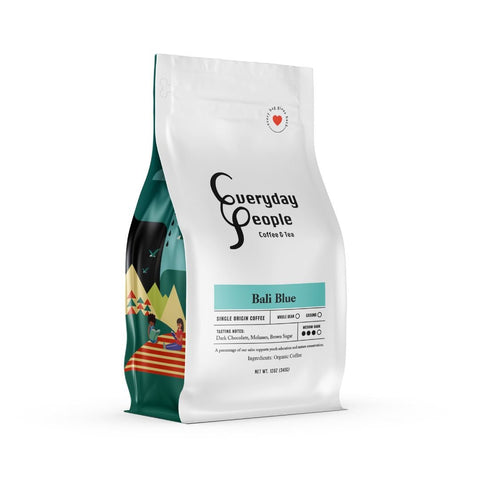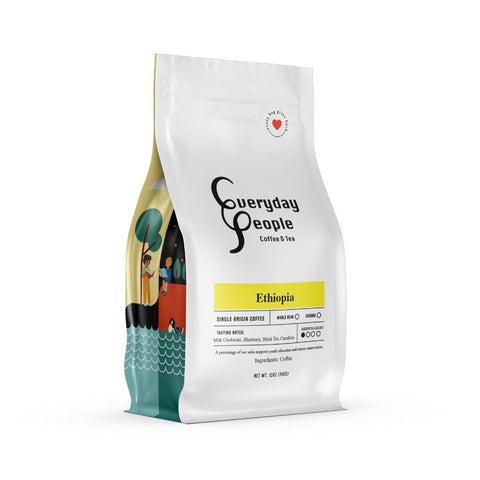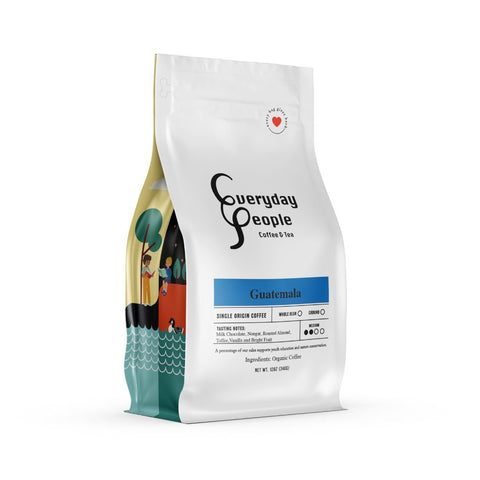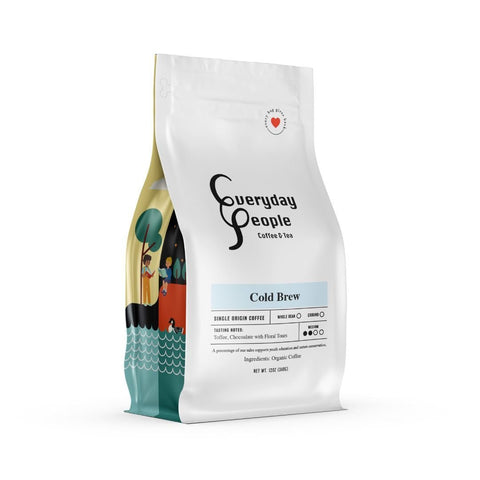

If you've ever stood in front of a specialty coffee display wondering whether to choose a single origin Ethiopian or a house blend, you're not alone. The single origin vs blend debate is one of the most common questions for coffee enthusiasts, and the answer isn't as simple as "one is better than the other."
Understanding the differences between these two approaches to coffee will transform how you buy, brew, and enjoy your daily cup. Let's break down everything you need to know to make the right choice for your palate and brewing style.
What Is Single Origin Coffee?
Single origin coffee comes from one specific location—whether that's a single farm, estate, region, or country. The term emphasizes traceability and the unique characteristics that come from a particular place.
Key Characteristics:
- Geographic Specificity: Clearly labeled by origin (e.g., "Ethiopia Yirgacheffe" or "Colombia Huila")
- Unique Flavor Profiles: Reflects the terroir—the soil, altitude, climate, and processing methods of that specific location
- Seasonal Availability: Often available only during specific harvest seasons
- Traceability: You can trace the coffee back to its source, sometimes to a specific farm or cooperative
- Higher Price Point: Typically more expensive due to specialty-grade quality and smaller production volumes
Why Coffee Lovers Choose Single Origins
Single origin coffees are prized for their distinctive flavor profiles. An Ethiopian Yirgacheffe tastes nothing like a Guatemalan Antigua, and that's precisely the point. Coffee enthusiasts appreciate being able to taste the unique characteristics of different growing regions.
For espresso specifically, single origins offer:
- Unique tasting experiences with each new bag
- Seasonal variety as different origins come into harvest
- Clean, distinct flavors that showcase specific origin characteristics
- The ability to explore coffee's incredible diversity
Single origins tell a story—each cup reflects the specific microclimate, altitude, processing method, and varietal characteristics of its origin.
The Trade-offs:
Single origins can be more challenging to dial in for espresso because their flavor profiles vary more dramatically between harvests. They're also typically more expensive due to smaller production volumes and specialty-grade quality requirements. Some single origins work better as straight espresso shots rather than in milk drinks where their subtle characteristics might get lost.
What Is Blend Coffee?
Coffee blends combine beans from multiple origins—often from different countries, regions, or even continents—to create a specific flavor profile. Master roasters carefully select and proportion these components to achieve balance, complexity, or a signature taste.
Key Characteristics:
- Consistency: Designed to taste the same year-round, regardless of seasonal variations
- Complexity: Multiple origins create layers of flavor
- Balance: Components are selected to complement each other
- Purpose-Built: Often designed specifically for espresso or particular brewing methods
- Value: Generally more affordable than single origins while maintaining quality
Why Coffee Lovers Choose Blends
Blends are the backbone of most espresso programs, from your local café to major specialty roasters. There's good reason for this popularity.
For espresso, blends offer:
- Consistency shot to shot and bag to bag
- Balanced sweetness and acidity that works in milk
- Forgiving extraction that's easier to dial in
- Better value for daily drinking
- Designed specifically for espresso extraction
Most espresso blends include Brazilian coffee for body and chocolate notes, Colombian or Central American beans for balance and brightness, and sometimes a small percentage of African coffees for complexity.
The Trade-offs:
Blends can lack the distinctive character and clarity of single origins. They're also less traceable—while reputable roasters will share general origins, you won't know the specific farms or processing methods. For coffee enthusiasts who enjoy exploring diverse flavors, blends can feel less exciting.
Single Origin vs Blend for Espresso: Which Is Better?
The answer depends entirely on what you're making and what you value in your coffee.
When Blends Shine for Espresso
Best for milk-based drinks: The balanced profile of espresso blends cuts through milk beautifully. A well-designed blend will maintain its character in a latte or cappuccino without being overpowered.
Easier to dial in: Blends are more forgiving during extraction. Their balanced acidity and body mean small changes in grind size, dose, or extraction time won't drastically alter the taste.
Consistent results: If you drink espresso daily, blends offer reliable flavor without constant adjustment as you open each new bag.
Better value: You'll typically pay less per pound for blends while still getting high-quality, well-roasted coffee.
When Single Origins Excel for Espresso
For straight espresso shots: Single origins can offer incredible clarity and complexity when pulled as straight espresso. An Ethiopian Guji might taste like blueberry jam, while a washed Kenyan offers bright citrus and currant notes.
For experienced home baristas: If you enjoy the challenge of dialing in and exploring different extraction parameters, single origins provide endless experimentation opportunities.
For tasting variety: Single origins let you explore coffee's diversity—each new bag is a completely different experience.
For lighter roasts: Many single origins are roasted lighter to highlight their unique characteristics, offering bright, tea-like qualities some espresso drinkers prefer.
How to Choose Between Single Origin and Blend
Here's a practical decision framework:
Choose Blends If You:
- Primarily drink milk-based espresso drinks (lattes, cappuccinos)
- Want consistent results shot after shot
- Are still developing your espresso technique
- Prefer balanced, approachable flavors
- Want better value for everyday drinking
- Need reliable performance without constant dialing in
Choose Single Origins If You:
- Enjoy straight espresso shots or cortados
- Have experience dialing in espresso
- Want to explore diverse flavor profiles
- Appreciate coffee as a craft beverage
- Don't mind seasonal availability and price variations
- Enjoy the challenge of working with different coffees
The Best Approach: Keep both options in your rotation. Use a reliable blend for daily milk drinks and save special single origins for weekend espresso tasting sessions or when you want to explore something new.
Top Coffee Origins for Espresso
Understanding popular espresso origins helps you make informed choices, whether buying blends or single origins.
Brazil: The Espresso Foundation
Flavor Profile: Chocolate, nuts, caramel, low acidity, heavy body
Why It Works: Sweet, balanced, and incredibly forgiving
Best Uses: Espresso blends, straight shots, milk drinks
Processing: Typically natural or pulped natural
Brazil produces nearly 40% of the world's coffee, and there's a reason Brazilian beans appear in most espresso blends. Their natural sweetness, chocolate notes, and low acidity create an excellent foundation. Natural processed Brazilians especially bring caramel sweetness and thick body perfect for espresso.
Colombia: The Balanced Classic
Flavor Profile: Caramel, brown sugar, citrus, balanced acidity, medium body
Why It Works: Reliable quality with pleasant acidity
Best Uses: Blends for balance, versatile single origin
Processing: Typically washed
Colombian coffees offer consistent quality and a clean, sweet cup with bright acidity. They bridge the gap between the heavy body of Brazilian coffee and the bright acidity of East African beans, making them excellent blend components or approachable single origins.
Ethiopia: The Complex Crown Jewel
Flavor Profile: Blueberry, jasmine, bergamot, tea-like, bright acidity, light-medium body
Why It Works: Incredibly complex and unique flavors
Best Uses: Straight espresso, lighter roasts, blend complexity
Processing: Natural and washed
Ethiopian coffees are the most distinctive and complex options for espresso. Natural processed Ethiopians taste like blueberry pie and jam, while washed versions offer floral and bergamot notes. They're best appreciated as straight espresso or in milk drinks where you want the coffee to shine through.
Guatemala: The Rich All-Rounder
Flavor Profile: Chocolate, toffee, apple, balanced acidity, full body
Why It Works: Rich body with complex sweetness
Best Uses: Espresso blends, dark roasts, milk drinks
Processing: Washed, some natural
Guatemalan coffees provide rich chocolate notes with enough acidity to stay interesting. Their full body makes them excellent for darker roasts without becoming bitter, and they work beautifully in milk-based drinks.
Common Misconceptions About Single Origin vs Blend
Myth: Single origins are always better quality than blends
Quality depends on the beans and roasting, not whether it's single origin or blended. A poorly roasted single origin won't taste as good as a well-crafted blend from premium beans.
Myth: Blends are just a way to use up inferior beans
Reputable specialty roasters carefully design blends using high-quality beans specifically chosen for how they work together. Creating a great blend requires expertise and premium ingredients.
Myth: Single origins should only be brewed as filter coffee
While some single origins excel as pour-over, many are specifically selected and roasted for espresso. Light roasted single origin espresso has become increasingly popular in specialty coffee.
Myth: All espresso should be dark roasted
Modern specialty coffee has moved away from dark roasting as default. Many blends and single origins are now roasted to light or medium profiles to preserve origin characteristics and avoid bitterness.
How to Taste the Difference
Want to truly understand the single origin vs blend debate? Try this tasting exercise:
Step 1: Select Your Coffee
- Choose one high-quality espresso blend
- Choose one single origin espresso (preferably something distinctive like Ethiopian or Kenyan)
Step 2: Prepare Consistently
- Use the same espresso machine and grinder
- Pull identical shots: same dose, yield, and extraction time
- Taste them as straight espresso first, then in a small milk drink
Step 3: Compare Notes
- Blend: Notice the balance, how it works in milk, consistency
- Single Origin: Note distinctive flavors, acidity, complexity, character
This side-by-side comparison will reveal more than any article can explain. You'll immediately understand why blends work so well for daily milk drinks, and why single origins offer exciting tasting experiences.
Best Practices for Buying Coffee
Whether you choose single origin or blend, these tips ensure you get the best coffee:
Buy Fresh: Look for roast dates on bags and buy coffee roasted within the past 2-4 weeks. Coffee peaks in flavor 5-14 days after roasting for espresso.
Buy Whole Bean: Pre-ground coffee goes stale quickly. Invest in a quality grinder and grind immediately before brewing.
Store Properly: Keep coffee in an airtight container away from light, heat, and moisture. Don't refrigerate or freeze opened bags.
Buy Appropriate Quantities: Buy only what you'll use within 2-3 weeks to ensure maximum freshness.
Support Quality Roasters: Buy from roasters who provide roast dates, origin information, and transparent sourcing practices.
Pairing Coffee with Your Espresso Machine
Your choice between single origin and blend might also depend on your espresso machine and skill level:
Entry-Level Machines (Under $500): Start with forgiving espresso blends while you develop your technique. Blends are more consistent and easier to dial in on entry-level equipment. Check out our guide to the best espresso machines under $500 to find your perfect starter machine.
Mid-Range Machines ($500-$1,500): These machines give you the control to work with both blends and single origins. You might keep a blend for daily milk drinks and explore single origins on weekends.
High-End Machines ($1,500+): With precise temperature control and pressure profiling, these machines excel with both blends and challenging single origins. You have the tools to fully explore single origin espresso.
For help choosing the right machine, read our complete guide on how to choose your first espresso machine.
The Role of Roast Level
Both single origins and blends can be roasted to different levels, affecting their espresso performance:
Light Roasts (City to Full City):
- Preserve origin characteristics
- Brighter acidity, more complexity
- Better for single origins showcasing unique flavors
- Require precise extraction and quality equipment
- Best as straight espresso or cortados
Medium Roasts (Vienna to Light French):
- Balanced sweetness and acidity
- Most versatile for both single origins and blends
- Work well in milk drinks and straight espresso
- Easier to dial in and more forgiving
Dark Roasts (French to Italian):
- Heavy body, low acidity
- Chocolate and caramelized sugar notes
- Roast flavors dominate origin characteristics
- Best for blends designed for traditional espresso
- Excellent for milk-based drinks
Most specialty coffee shops now use medium roasts for espresso, which showcase origin characteristics while maintaining good body and sweetness for milk drinks.
Building Your Home Coffee Bar
As you explore single origins and blends, you'll need the right equipment and coffee selection. Here's what to consider:
Essential Equipment:
- Quality espresso machine appropriate for your skill level
- Burr grinder (this matters more than the espresso machine)
- Scale for weighing dose and yield
- Tamper and distribution tool
- Milk pitcher if making milk drinks
Coffee Selection Strategy:
- Start with one reliable espresso blend as your daily driver
- Add 1-2 single origins for weekend experimentation
- Rotate through different origins to explore variety
- Keep a backup blend for when single origins are hard to dial in
Browse our collection of carefully sourced single origin and blend coffees to build your home coffee bar.
Single Origin vs Blend: The Bottom Line
The single origin vs blend debate isn't about which is objectively better—it's about what works for your preferences, skill level, and brewing method.
Blends excel at:
- Consistency and reliability
- Milk-based drinks
- Everyday value
- Balanced, approachable flavors
- Ease of use for beginners
Single origins excel at:
- Distinctive, unique flavors
- Straight espresso tasting
- Seasonal variety and exploration
- Showcasing coffee's diversity
- Challenging experienced baristas
The most satisfying approach is keeping both in your rotation. Use a dependable blend for your daily routine, and reserve single origins for when you want to explore, experiment, and taste something truly distinctive.
Frequently Asked Questions
Q: Is single origin coffee better than blend?
A: Neither is inherently better. Single origins showcase unique regional characteristics, while blends offer consistency and balance. The best choice depends on your taste preferences and how you brew.
Q: Can I use single origin coffee for espresso?
A: Absolutely! Many specialty roasters offer single origins specifically roasted for espresso. They can produce exciting, complex shots, though they may require more dialing in than blends.
Q: Why are single origins more expensive?
A: Single origins typically cost more due to smaller production volumes, specialty-grade quality requirements, limited seasonal availability, and the traceability premium.
Q: What's the best coffee for milk-based espresso drinks?
A: Espresso blends generally work best in milk drinks because they're designed to maintain character when combined with milk. Look for blends with good body and balanced sweetness.
Q: Should beginners start with single origin or blend?
A: Beginners should start with high-quality espresso blends. They're more forgiving to dial in, offer consistent results, and work well across different brewing parameters.
Q: Do coffee shops use blends or single origins?
A: Most cafés use blends as their house espresso for consistency, reliability, and performance in milk drinks. Many also offer single origins as seasonal specials or filter coffee options.
Q: How do I know if a single origin is suitable for espresso?
A: Check the roaster's description—they'll specify if it's roasted for espresso. Look for medium to full body, balanced acidity, and development suitable for espresso extraction.
Ready to Explore?
Now that you understand the differences between single origin and blend coffee, you're ready to make informed choices for your home espresso setup.
Start your journey with our coffee collection, featuring both distinctive single origins and expertly crafted blends. Every bag is roasted fresh and ships directly to your door.
Looking for the perfect espresso machine to showcase these amazing coffees? Check out our comprehensive espresso machine buying guide to find the ideal setup for your skill level and budget.